Bring Medieval Craftsmanship to Modern Design with Bonyland
The Allure of a Timeworn Typeface
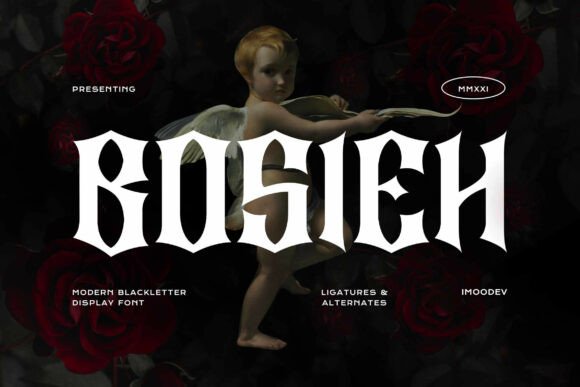
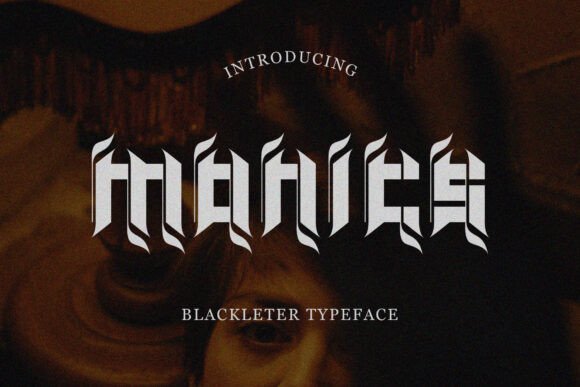
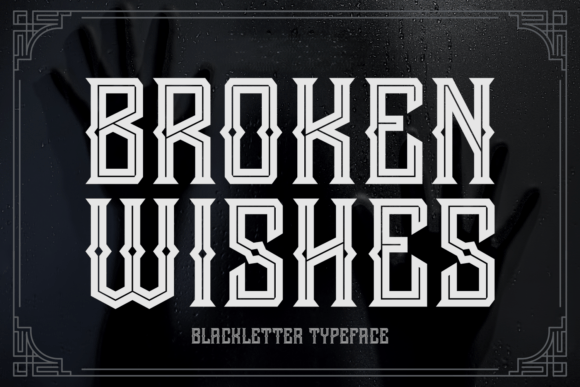
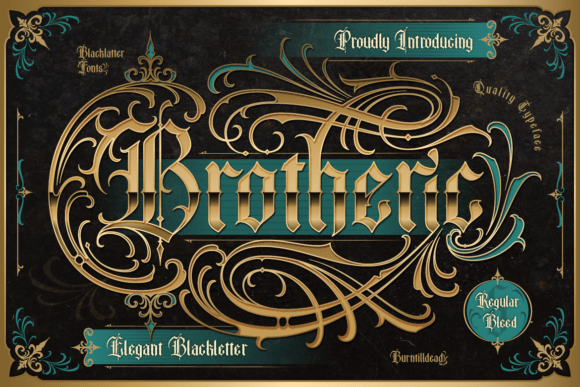
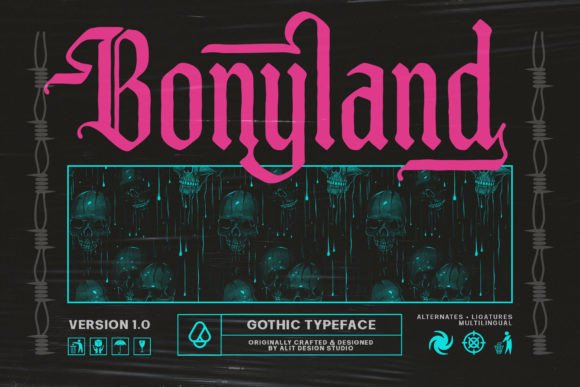
There's a specific kind of visual impact that comes from old-world lettering. It doesn't whisper; it declares. Bonyland Blackletter Font taps directly into that raw, historical power. This isn't a delicate, flowing script. It’s a bold blackletter typeface with a deliberately rough, vintage texture that feels like it was carved from wood or etched into stone centuries ago. The visual personality is one of rugged elegance and unapologetic authenticity. Each character carries the weight of tradition, with strong, dramatic strokes that command immediate attention. Yet, it’s not a simple replica. Bonyland has a modern edge, a timeworn quality that feels earned rather than affected, making it a creative font for projects that need to stand out with substance.
For designers and creators, the appeal is in its distinct character. The distressed detailing adds a layer of historical depth that purely clean fonts lack. This texture suggests a story, a history, a craftsmanship that’s been weathered by time. It’s the difference between a brand-new sign and one that’s been hanging above a historic shop for generations. This makes Bonyland more than just a display font; it’s a design asset that injects narrative and mood into any project it touches.
Where Vintage Typography Finds Its Voice
Understanding where a font like Bonyland excels is key to using it effectively. Its strength lies in contexts where you want to evoke heritage, rebellion, artisanal quality, or a raw, underground aesthetic. Think of it as a tool for creating a specific atmosphere.
- Branding & Logo Design: For craft breweries, tattoo studios, motorcycle shops, artisan coffee roasters, or any brand wanting to project rugged individualism and history, Bonyland is a perfect fit. A logo set in this blackletter font immediately communicates strength and a break from the mundane.
- Editorial & Publishing: Use it for striking book titles, especially in genres like historical fiction, fantasy, or gritty memoirs. It’s equally powerful for chapter headings in a magazine spread about vintage motorcycles or artisan crafts, adding a touch of editorial gravitas.
- Music & Entertainment: Album covers, band logos, and concert posters for rock, metal, or folk genres benefit immensely from its raw energy. It conveys an authentic, unpolished sound before a single note is heard.
- Packaging & Product Design: On labels for hot sauces, small-batch spirits, or heritage-style products, Bonyland adds instant shelf appeal. It suggests the product inside is crafted with tradition and bold flavor.
- Digital & Social Media: While primarily a display font, it can be used for impactful social media graphics, YouTube channel art, or podcast covers where you need to make a strong visual statement in a small space. Its high contrast ensures it stands out in a crowded feed.
The key is application. You wouldn’t set a 500-word blog post in Bonyland. Its role is to be the headline act, the visual anchor that sets the tone. Pair it wisely, and it elevates the entire design.
Making the Practical Choice for Your Project
Choosing a premium font like Bonyland is an investment in your project’s visual language. Here’s how to approach it practically.
Evaluating Fit and Readability
First, consider your audience and message. Does the project’s core idea align with themes of tradition, boldness, or raw craftsmanship? If you’re designing for a law firm or a pediatric clinic, Bonyland might be too intense. For a vintage market poster or a band’s merchandise, it’s spot-on. Always test readability at the intended size. Its intricate letterforms are designed for headlines, not body text. View it at the scale you’ll use it—is the rough vintage texture clear, or does it muddy at small sizes?
Mastering Font Pairing
This is where Bonyland truly shines in a modern context. Its dramatic style needs balance. A common and effective strategy is to pair it with a clean, neutral sans serif font or a simple serif font for body text. This creates a clear visual hierarchy: Bonyland grabs attention as the headline, and the paired font provides comfortable, readable supporting text. Avoid pairing it with other highly decorative or script fonts, as this can create visual chaos. Think of it as a lead singer needing a solid backing band.
Understanding What’s Included
Before purchasing, review the full character set. Bonyland includes uppercase, lowercase, numerals, punctuation, and multilingual support. This comprehensive set ensures you have the tools to handle various project needs, from a simple logo to a full branding system with multiple applications. Knowing you have access to all these glyphs allows for more creative and consistent brand identity development.
Licensing for Commercial Use
As with any commercial font, confirm the licensing terms match your intended use. Whether it’s for a client’s logo, merchandise for sale, or a digital product, ensure the license covers your specific application. This professional step protects both you and your client, ensuring the design assets are used legally and ethically.
Ultimately, integrating Bonyland into your toolkit is about adding a powerful voice to your design vocabulary. It’s a typeface that doesn’t just display words—it imbues them with character and history. By applying it thoughtfully, considering its context, and pairing it with complementary fonts, you can leverage its raw power to create designs that are not only visually striking but also deeply resonant with your intended audience. It’s a bridge between the timeless craft of the past and the bold demands of contemporary modern typography.